
01Recognize
Notice what feels unsafe
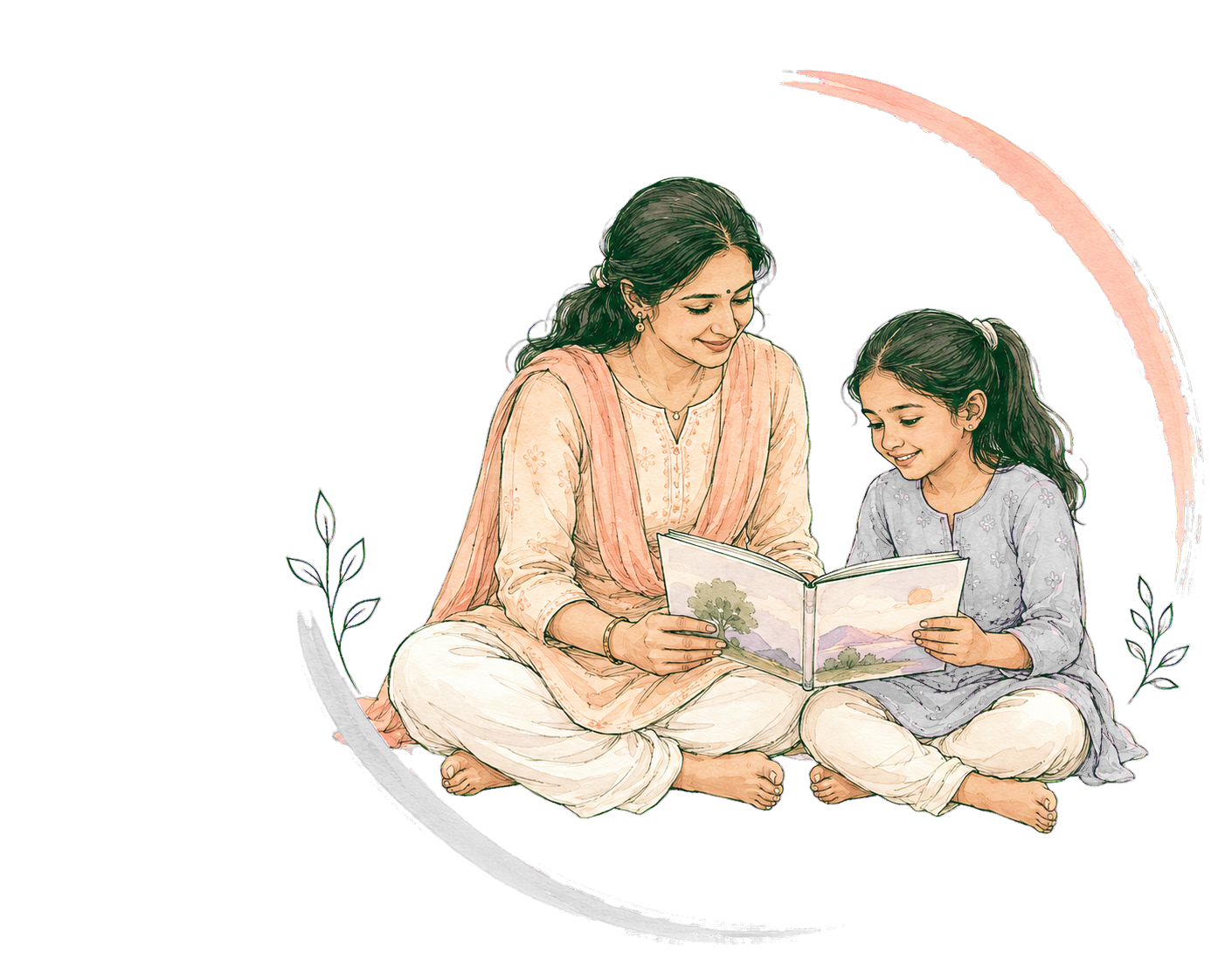
Learn the difference between safe and unsafe touch. Parts of the body usually covered by undergarments are private, and discomfort is reason enough to step away.
“This does not feel right.”
Film-led educationSafe-touch awarenessTrusted-adult support
Chuppi Todo is an educational campaign founded by documentary filmmaker and child-rights activist Sanjay Singh. Through films, school conversations and community awareness, it helps children understand unsafe touch, say no and seek help.
A child should not need perfect words to be heard.
14 citiesReported campaign reach
Children, parents and teachersA shared circle of awareness
Films, workshops and dialogueTools that make speaking easier
The Chuppi Todo story
Published accounts trace Chuppi Todo to Sanjay Singh’s effort to explain abuse and personal safety to his young daughter—and to other children who needed the same language.
The first film, supported by Plan India, turned a difficult subject into a child-friendly story about recognizing unsafe touch, refusing it and speaking to a responsible adult.
Early media coverage followed the campaign into schools and communities, where screenings were paired with workshops, group discussions and calls for counselling systems that children could trust.
In 2013, a Chuppi Todo workshop at Sardar Patel School in Noida was followed by a rally in Nithari attended by more than 300 children and teachers—showing how classroom learning could grow into visible community action.
The work has since been reported across 14 cities, sensitizing children, parents and teachers while keeping one message at the centre: silence protects abuse; informed conversation protects children.
The safe-touch framework
The campaign’s three-part guidance gives children simple actions to remember without placing responsibility for abuse on them.
Learn the difference between safe and unsafe touch. Parts of the body usually covered by undergarments are private, and discomfort is reason enough to step away.
“This does not feel right.”
If someone crosses a boundary, say “NO” clearly, leave the situation and call for help whenever it is safe to do so.
“No. I am going now.”
Do not carry a worrying secret alone. Tell a parent, teacher or another responsible adult who can listen, protect and help.
“I need to tell you something.”
Framework based on the safe-touch guidance described by Sanjay Singh and on published accounts of the Chuppi Todo films.
The campaign on film
The original film follows children Rahul and Sania, showing how a child can move away from an unsafe situation and seek help from a trusted adult.
More than a screening
Coverage from schools and community programmes shows the campaign working as a facilitated learning process—not simply a film shown in isolation.
Film
The original Chuppi Todo film uses simple scenes, mime and voice-over to explain unsafe touch without frightening or blaming children.
Conversation
Campaign visits combined films with workshops, rallies and group discussions, giving children, parents and teachers language for a difficult subject.
Support
The campaign has consistently called for trusted adults and schools to create spaces where children can speak and receive responsible support.
A child-friendly message
“If a touch makes you uncomfortable, you can say no, move away and tell a trusted adult—even when you cannot explain exactly why.”
When a child speaks
Published coverage of Chuppi Todo repeatedly returns to the role of informed caregivers. Asking children to report is meaningful only when the adults around them can respond without fear, disbelief or blame.
A child’s disclosure is not an investigation to conduct. It is a call to listen, protect and connect them with appropriate support.
Stay calm, let the child speak in their own words and do not make them responsible for what happened.
Make it clear that speaking up was the right thing to do and that the child deserves safety and support.
Prioritise immediate safety and connect with an appropriate child-protection or official reporting pathway.
Media and archive
This website’s campaign narrative is grounded in the published reporting, interviews, reports and first-party archive listed here.
An interview with founder and national convener Sanjay Singh on the campaign, its safe-touch guidance and the role of public action.
Read articleA profile of the campaign founder and the reported reach of Chuppi Todo across 14 cities with children, parents and teachers.
Read articleA child-protection reference describing 1098 as a national, free, 24×7 emergency outreach service for children needing care and protection.
Read articleA detailed account of how the first film was conceived, what Rahul and Sania’s story teaches and why informed adults matter.
Read articleCoverage of a Chuppi Todo workshop at a Noida school followed by a Nithari rally attended by more than 300 children and teachers.
Read articleA video feature on Sanjay Singh and the Chuppi Todo campaign’s effort to educate children about safe and unsafe touch.
Read articleCoverage of the socially relevant Chuppi Todo campaign and its work against child sexual abuse.
Read articleA report on the Delhi launch with Plan India, Dr A V Baliga Trust and guidance from the Delhi child-rights commission.
Read articleCoverage of the campaign’s film-based approach and its focus on awareness among children, parents and wider communities.
Read articleA report from Vadodara on school screenings, workshops, group discussions and the call for counselling support.
Read articleThe campaign’s own archive of films, school outreach, events and reflections on breaking the silence around child sexual abuse.
Read articleOfficial reporting resources
Child Helpline 1098 and these Government of India portals connect children and concerned adults with recognised support pathways.
If something has happened
If a child may be in danger, prioritise immediate safety and seek help through a responsible adult and an official child-protection channel.
A child or concerned adult can call free when a child faces sexual abuse, another form of abuse, danger or distress.
CHILDLINE’s 2016–17 annual report describes 1098 as a national, free emergency outreach service. Under Mission Vatsalya, Child Helpline 1098 is now coordinated through state and district systems and integrated with ERSS 112.
Get to a safer place.Move away from the person or situation if you can.
Tell a trusted adult.Choose someone who will listen and take your safety seriously.
Keep seeking help.If one person does not respond, tell another responsible adult.
Chuppi Todo